

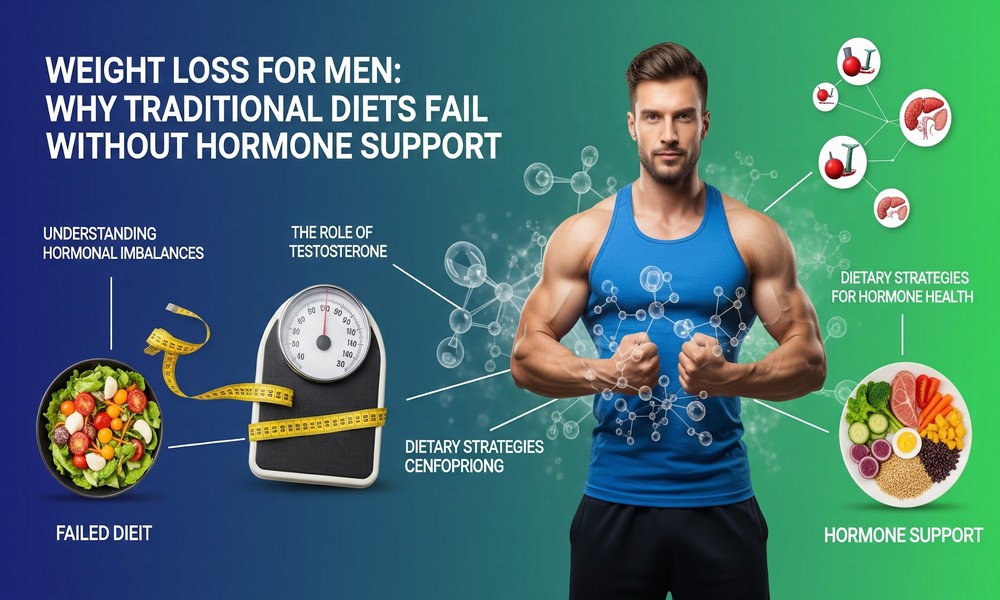
Rethinking Weight Loss Through a Male Health Lens
Weight loss advice is often presented as universal-eat less, move more, stay consistent. While these principles matter, they rarely account for biological differences that influence how bodies store fat, burn energy, and respond to stress. For many men, especially as they age, weight gain is not simply the result of poor habits but a sign of deeper metabolic and hormonal shifts.
Male weight patterns are closely tied to testosterone levels, insulin sensitivity, sleep quality, and stress hormones such as cortisol. When these systems are out of balance, calorie restriction alone may lead to fatigue, muscle loss, or short-term results that are difficult to maintain. This can leave men feeling discouraged despite genuine effort.
Understanding weight loss as a health process-not a willpower test-allows for more sustainable outcomes. When hormonal health and metabolism are addressed together, men are better equipped to lose weight while preserving strength, energy, and long-term wellness.
Why Diet-Only Approaches Often Fall Short for Men
Many traditional diets emphasize calorie reduction without considering how male physiology adapts to restriction. Severe dieting can trigger hormonal responses that slow metabolism, increase hunger signals, and promote fat retention-particularly around the abdomen. This response is not a failure of discipline; it is a protective biological mechanism.
Primary care and preventive health settings, such as Blue Stone Health & Wellness, often evaluate weight concerns within the context of overall health. Through nutrition guidance, preventative health screenings, and chronic health management, clinicians can identify contributing factors like insulin resistance, thyroid dysfunction, or early cardiovascular risk that influence weight outcomes.
When weight loss plans are built on a medical foundation rather than generic advice, men gain clarity about what their bodies actually need. This approach shifts the focus from short-term dieting to long-term metabolic health.
The Role of Testosterone in Male Metabolism
Testosterone plays a central role in regulating muscle mass, fat distribution, and energy expenditure. As testosterone levels decline-whether due to age, chronic stress, or medical conditions-men may experience increased fat storage, reduced muscle tone, and diminished motivation for physical activity. These changes can occur even when diet and exercise habits remain consistent.
Low testosterone can also affect insulin sensitivity, making it harder for the body to regulate blood sugar and utilize energy efficiently. This hormonal environment encourages fat accumulation while resisting weight loss efforts. Many men are unaware that these shifts are happening internally, leading to frustration when traditional strategies fail.
Addressing testosterone levels does not automatically mean medication, but it does require awareness. Identifying hormonal contributors allows for targeted interventions that support metabolism rather than working against it.
Stress, Sleep, and the Hormonal Weight Trap
Modern lifestyles often place men in a state of chronic stress, which elevates cortisol levels. Elevated cortisol promotes fat storage-especially visceral fat-and interferes with testosterone production. Over time, this hormonal imbalance can undermine even well-structured fitness routines.
Sleep deprivation compounds the problem. Inadequate sleep disrupts hunger hormones, increases cravings for high-calorie foods, and reduces the body’s ability to recover from exercise. Men juggling work demands, family responsibilities, and health goals may find themselves trapped in a cycle where stress and fatigue sabotage progress.
Recognizing the role of stress and sleep reframes weight loss as a systems-based issue. Sustainable progress often begins with restoring balance, not intensifying restriction.
Medical Weight Loss Designed for Men
Generic weight loss programs may overlook male-specific health concerns, including hormonal decline, cardiovascular risk, and muscle preservation. Medical weight loss programs tailored for men aim to address these factors through structured monitoring, nutrition planning, and metabolic support.
Clinics such as EveresT Men’s Health approach medical weight loss with an understanding of male physiology. Rather than focusing solely on the scale, these programs often prioritize fat loss, lean muscle retention, and metabolic markers. This perspective helps men achieve results that feel functional, not just cosmetic.
Medical oversight also provides accountability and safety. When weight loss is guided by clinicians familiar with male health patterns, adjustments can be made as the body responds, reducing the risk of burnout or rebound weight gain.
Why Muscle Preservation Matters More Than Rapid Weight Loss
Many men pursuing weight loss unknowingly lose muscle along with fat, particularly when relying on aggressive calorie restriction. Muscle tissue is metabolically active, meaning it plays a critical role in maintaining a healthy metabolism. Losing muscle slows calorie burn and makes long-term weight maintenance more difficult.
Hormonal balance supports muscle preservation. Testosterone, growth hormone, and insulin sensitivity all influence how the body responds to strength training and nutrition. Without adequate hormonal support, men may struggle to build or maintain muscle even with regular exercise.
A successful weight loss strategy emphasizes strength, resilience, and metabolic efficiency-not just rapid reductions on the scale. This approach supports aging well and maintaining independence over time.
Hormone Therapy as a Metabolic Tool
For some men, addressing hormonal imbalance becomes a key component of effective weight management. Hormone replacement therapy, including testosterone replacement therapy, may be considered when clinically appropriate and carefully monitored.
Providers such as Lions OpTimal Health incorporate hormone replacement therapy into broader wellness strategies. When testosterone levels are optimized, men may experience improved energy, better body composition, enhanced motivation for physical activity, and improved metabolic function. These changes can make weight loss efforts more effective and sustainable.
Hormone therapy is not a shortcut, nor is it appropriate for everyone. However, when used thoughtfully within a medical framework, it can help restore physiological conditions that support healthy weight regulation.
Connecting Weight Loss to Long-Term Health Outcomes
Weight loss is often framed as an aesthetic goal, but for men, it carries significant implications for long-term health. Excess weight is associated with increased risk of cardiovascular disease, type 2 diabetes, sleep apnea, and reduced quality of life. Hormonal imbalance can intensify these risks by accelerating metabolic decline.
When weight management is approached through coordinated care-integrating primary care, metabolic assessment, and hormonal evaluation-men gain a clearer understanding of how their health systems interact. This clarity empowers informed decision-making and realistic goal-setting.
Long-term success depends on aligning treatment with biology, not fighting against it.
Shifting the Narrative From Dieting to Health Optimization
The repeated failure of traditional diets is not a reflection of individual weakness but of incomplete strategies. Male weight loss requires attention to hormones, metabolism, stress, sleep, and medical history. When these factors are ignored, even the most disciplined efforts can stall.
Reframing weight loss as health optimization encourages men to seek professional guidance without stigma. It also validates experiences that many men share but rarely discuss-fatigue, frustration, and declining results despite effort.
A more nuanced approach honors the complexity of the male body and opens the door to sustainable change.
A Whole-Body Perspective on Male Weight Loss
Effective weight loss for men begins with understanding that metabolism and hormones are inseparable. Diet and exercise remain important, but they are most effective when supported by balanced physiology, medical insight, and realistic expectations.
Healthcare providers who evaluate weight concerns through a whole-body lens can identify barriers that diets alone cannot overcome. By addressing hormonal health, metabolic function, and lifestyle factors together, men are better positioned to achieve lasting results.
Ultimately, successful weight loss is not about restriction-it is about restoring balance. When the body’s systems are supported rather than strained, progress becomes not only possible but sustainable.