

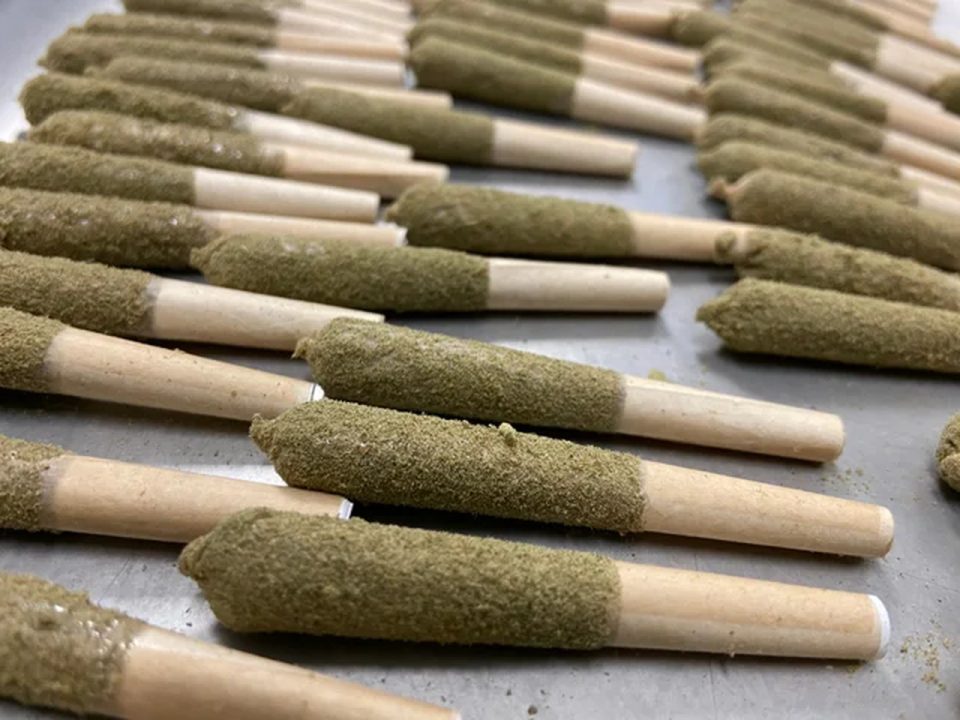
Infused pre-rolls combine the appeal of traditional joints with the enhanced potency of cannabis concentrates. As consumer demand for stronger effects and richer flavors increases, Cannabis consumption methods explained often include infused pre-rolls as one of the fastest-growing segments in the cannabis market. Understanding how these products are made helps both consumers and producers appreciate their quality and complexity.
Rising Popularity of Infused Pre-Rolls
Infused pre-rolls have gained significant traction in recent years due to evolving consumer preferences and market advancements. Cannabis analytics data shows that infused products now represent a substantial share of pre-roll sales in both the United States and Canada.
Key factors driving popularity include:
- Increased demand for high-potency cannabis products
- Declining prices of flowers and concentrates in mature markets
- Advancements in automated pre-roll manufacturing technology
- Regulatory clarity in markets such as Canada
As a result, dispensaries now stock a wide variety of infused pre-roll styles, including kief-coated joints, oil-painted pre-rolls, and hash hole formats.
What Makes a Pre-Roll Infused?
An infused pre-roll is a standard joint enhanced with cannabis concentrates to boost potency, flavor, or both. The final experience depends on:
- The type of concentrate used
- How the concentrate is applied
- The quality of the cannabis flower
Common concentrates include kief, bubble hash, distillate, live resin, BHO, and hash rosin.
External Infusion Methods
One of the most common infusion techniques involves applying concentrate to the outside of the joint.
Typical process:
- Heat or thin cannabis oil to reduce viscosity
- Apply oil evenly to the exterior of the pre-roll
- Roll the coated joint in kief to increase potency and reduce stickiness
Advantages:
- Visually appealing and shelf-ready
- Simple and cost-effective method
Limitations:
- Inconsistent application
- Harsher burn
- Loss of concentration through side-stream smoke
Internal Infusion Methods
Internal infusion places concentrates inside the joint, improving burn consistency and efficiency.
Popular internal techniques include:
- Mixing the concentrate evenly with ground flower
- Creating a central “hash hole” using hash resin
- Injecting concentrate into a finished pre-roll
Internal infusion often delivers stronger effects with reduced waste, though it requires careful handling and cleaning during production.
Flavor Infusion Techniques
Flavor-infused pre-rolls use terpenes to enhance aroma and taste.
Flavor options include:
- Cannabis-derived terpenes
- Botanical terpenes
- Hemp or botanical blunt wraps
- Flavored wood filter tips
Terpenes are commonly added to distillate or concentrates before mixing with flower to ensure even distribution.
Handcrafted vs. Automated Production
Hand-rolled infused pre-rolls allow for creativity but are labor-intensive and costly. Automation enables scalable production while maintaining consistency.
Benefits of automation:
Automated infusion machines can produce thousands of infused pre-rolls efficiently, making them ideal for growing brands.
Scaling Infused Pre-Roll Manufacturing
To scale production successfully, manufacturers rely on:
- Infused flower mixers for homogenized batches
- Automated coating and infusion systems
- Touchscreen-controlled infusion machines for precision
These technologies ensure consistent potency, efficient workflows, and reliable product quality across large production volumes.
