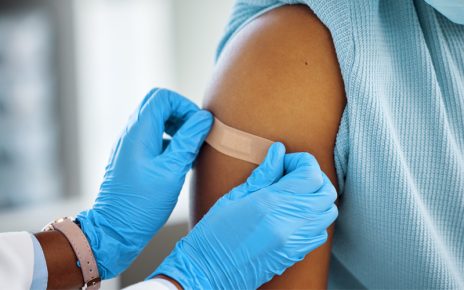


Vaccination plays a vital role in protecting children from serious and potentially life-threatening diseases. For many parents, however, understanding which vaccines are essential and which are optional can feel overwhelming. In Singapore, childhood immunisation is guided by the National Childhood Immunisation Schedule (NCIS), alongside additional optional vaccines that offer broader protection. Knowing the difference helps parents make confident, informed decisions about their child’s health.
Understanding the National Childhood Immunisation Schedule (NCIS)
The NCIS childhood vaccinations is a nationally recommended programme designed to protect children against diseases that pose significant public health risks. Vaccines included in this schedule are evidence-based and selected for their effectiveness, safety, and importance in preventing widespread illness.
These vaccines are strongly encouraged for all children and are often provided with subsidies or free at public healthcare institutions. The goal is not only to protect individual children but also to achieve herd immunity, reducing the spread of infectious diseases within the community.
What Are Children NCIS Vaccinations?
The children’s NCIS immunisation programme covers diseases that can cause severe complications, long-term disability, or death if left unprevented. These vaccines are typically given from birth through early childhood, following a structured timeline to ensure optimal immunity.
Common diseases covered include tuberculosis, hepatitis B, diphtheria, tetanus, pertussis (whooping cough), polio, measles, mumps, and rubella. Because these illnesses can spread easily and have serious outcomes, NCIS vaccines are considered the foundation of a child’s preventive healthcare.
Why NCIS Vaccines Are Strongly Recommended
NCIS vaccines are prioritised because they address diseases that are either highly contagious, potentially fatal, or capable of causing outbreaks. Vaccinating children early helps prevent complications such as pneumonia, brain inflammation, and developmental delays.
Another key benefit is community protection. When most children are vaccinated, it reduces the likelihood of disease outbreaks, safeguarding vulnerable groups such as infants, elderly individuals, and those with weakened immune systems.
What Are Optional Childhood Vaccines?
Optional vaccines are not part of the NCIS but provide additional protection against certain infections. These vaccines are recommended based on individual risk factors rather than population-wide necessity.
They may protect against diseases that are less common, less severe for the general population, or more relevant in specific situations, such as travel, childcare settings, or underlying medical conditions. While optional, they can still play an important role in comprehensive health protection.
Common Optional Vaccines for Children
Optional vaccines may include those for influenza, chickenpox, hepatitis A, rotavirus, meningococcal disease, and human papillomavirus (HPV). These infections can still cause discomfort, missed school days, or complications, even if they are not as widespread as NCIS-covered diseases.
For example, the flu vaccine can reduce the risk of severe illness during peak flu seasons, while the chickenpox vaccine lowers the chance of skin infections and scarring. Parents often consider these vaccines to provide an added layer of protection beyond the core schedule.
NCIS vs Optional Vaccines: Key Differences
The main difference lies in public health priority. NCIS vaccines are designed to prevent diseases with high transmission rates or serious consequences at a national level. Optional vaccines focus more on individual protection and lifestyle-related risks.
Cost and subsidies may also differ. NCIS vaccines are usually subsidised, while optional vaccines are typically paid out of pocket. However, the value of optional vaccines should be weighed against potential medical costs and discomfort if a child becomes ill.
How to Decide What Your Child Needs
Choosing between NCIS and optional vaccines should involve a discussion with your child’s doctor. Factors such as your child’s age, overall health, exposure risk, school or daycare attendance, and travel plans all matter.
Some children, such as those with chronic illnesses or weaker immune systems, may benefit more from certain optional vaccines. A personalized approach ensures that vaccination decisions are based on medical advice rather than uncertainty or pressure.
Addressing Common Parental Concerns
Many parents worry about vaccine safety or whether too many vaccines may overwhelm a child’s immune system. Extensive research shows that vaccines used in both NCIS and optional schedules are rigorously tested and monitored for safety.
Side effects are usually mild and temporary, such as low-grade fever or soreness at the injection site. Serious reactions are extremely rare, and the benefits of preventing disease far outweigh the risks.
The Role of Children NCIS Vaccinations in Long-Term Health
Children’s NCIS vaccinations form the backbone of lifelong disease prevention. By protecting children early, these vaccines reduce the risk of complications that could affect growth, learning, and long-term well-being.
They also instill a preventive healthcare mindset, helping families understand the importance of early protection and regular medical follow-up.
Conclusion
Understanding the difference between NCIS and optional vaccines empowers parents to make informed choices for their child’s health. NCIS vaccines are essential and strongly recommended, forming the core of protection against serious infectious diseases. Optional vaccines, while not mandatory, can provide valuable additional coverage depending on individual needs and circumstances.
By consulting a trusted healthcare provider and staying informed, parents can build a vaccination plan that balances national recommendations with personal considerations. This thoughtful approach ensures children grow up healthier, safer, and better protected against preventable diseases.