

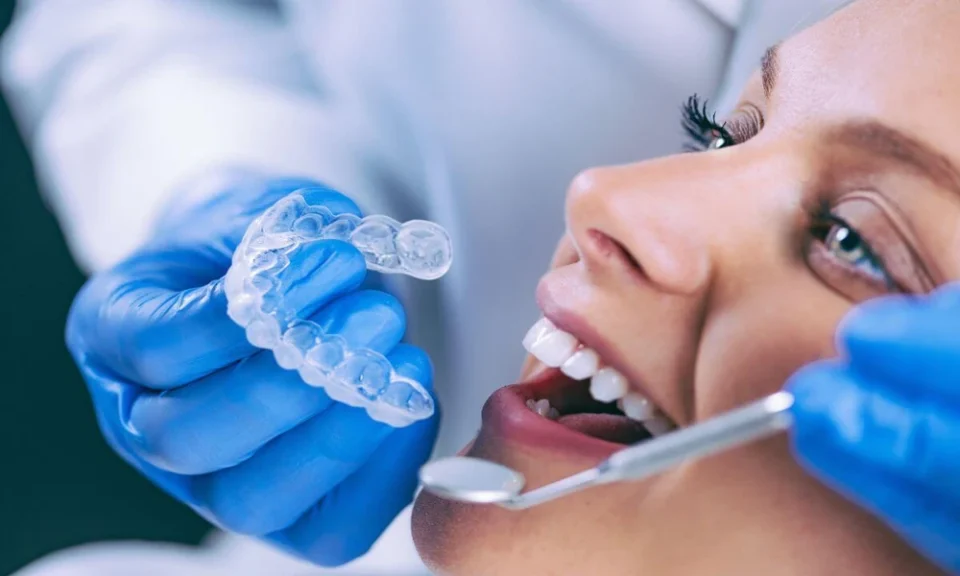
Thinking about straightening your teeth as an adult? Invisalign can be an appealing option, especially if you want a more discreet alternative to traditional braces. But before you start wearing clear aligners, there is one important thing to check: your gum health.
Healthy gums provide the support your teeth need during orthodontic treatment. If you have gum inflammation or periodontal disease, addressing these problems first can help protect your smile throughout the process.
Why Gum Health Matters Before Invisalign
Invisalign gradually shifts teeth, but healthy gums and supporting bone are essential for successful treatment. Adults may experience gum recession, plaque buildup, or periodontal issues over time. These conditions usually do not prevent treatment, which is why a leading Invisalign provider Monrovia CA like Hwang Orthodontics emphasizes the importance of assessing gum health first
Signs Your Gums Need Attention
Before beginning Invisalign, watch for symptoms that could indicate a gum problem:
- Bleeding gums: Blood when brushing or flossing may signal inflammation.
- Persistent bad breath: Ongoing unpleasant breath is suspected to be due to plaque buildup or gum disease.
- Redness or swelling: Healthy gums generally look firm and pink rather than puffy or irritated.
- Receding gums: Teeth may appear longer as the gum tissue pulls away.
- Loose teeth: This can indicate a more serious problem requiring prompt dental evaluation.
Don’t ignore these signs just because your teeth look relatively straight. Gum disease can develop without obvious pain.
What Should You Do Before Treatment?
A dental examination is the best starting point. Your dentist or periodontist can assess your gum condition, check for periodontal pockets, and recommend any necessary treatment before orthodontic movement begins.
Here are a few practical steps to follow:
- Schedule a professional cleaning: Removing plaque and hardened tartar helps establish a healthier starting point.
- Treat existing gum disease: Your dentist may recommend periodontal treatment before Invisalign.
- Improve daily oral hygiene: Brush twice daily with a soft-bristled toothbrush and clean between your teeth every day.
- Discuss your dental history: Mention gum recession, previous periodontal treatment, crowns, or other dental work.
If gum disease is active, your dentist may recommend delaying Invisalign until the condition is controlled. Regular periodontal monitoring may also be necessary during treatment.
Can Invisalign Improve Gum Health?
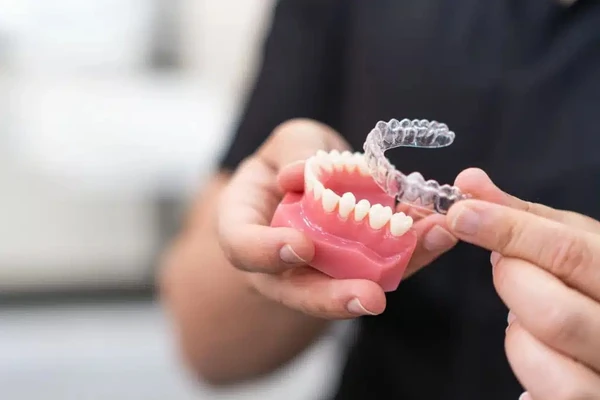
Properly aligned teeth may be easier to brush and floss, potentially reducing plaque buildup. Still, Invisalign cannot treat gum disease, so existing problems must be managed first. Maintain good oral hygiene throughout treatment by brushing and flossing before reinserting aligners and cleaning them as directed by your orthodontist.
Is Invisalign Suitable for Adults with Gum Recession?
Adults with receding gums may still qualify for Invisalign, depending on the recession’s severity, supporting bone condition, and overall gum stability. An orthodontist may adjust the treatment plan or consult a periodontist to ensure teeth move safely while protecting gum health and supporting structures.
Give Your Smile a Healthy Start
Before starting Invisalign, prioritize your gum health. A thorough dental examination, consistent oral hygiene, and regular professional monitoring can help ensure a safer treatment experience. While a straighter smile is appealing, healthy gums provide essential support. Address any existing concerns with your dentist before deciding whether Invisalign suits your needs.
